Challenge
In 2018, Steam had near-monopoly control over PC game distribution. Developers paid 30% cuts, discovery was broken, and there was no meaningful competition. The Epic Games Store didn't exist yet — there was a genuine market gap.
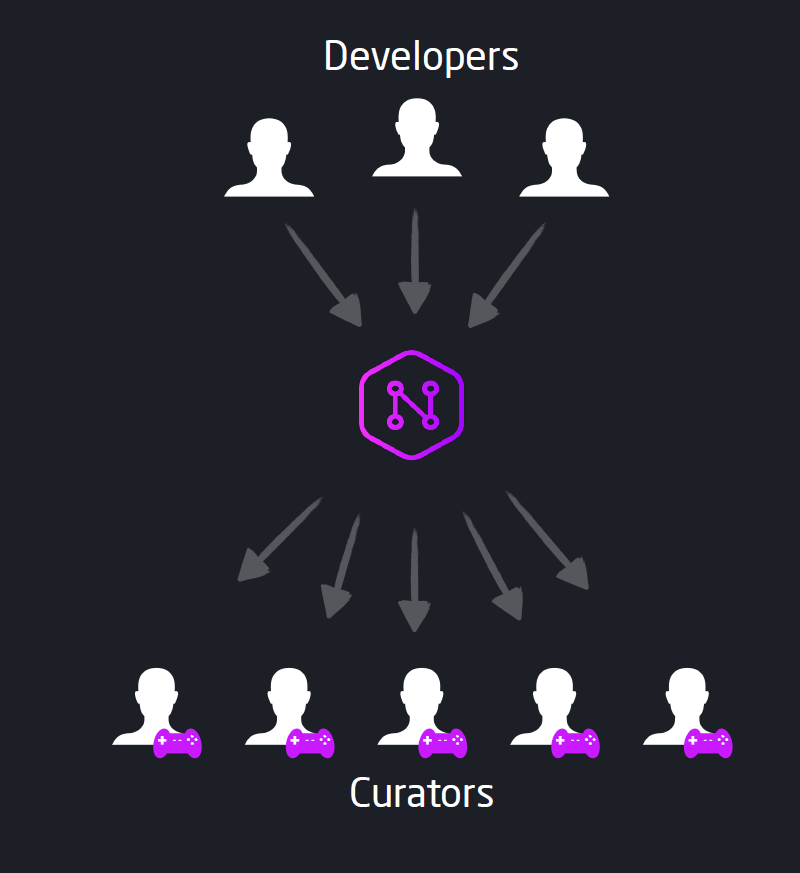
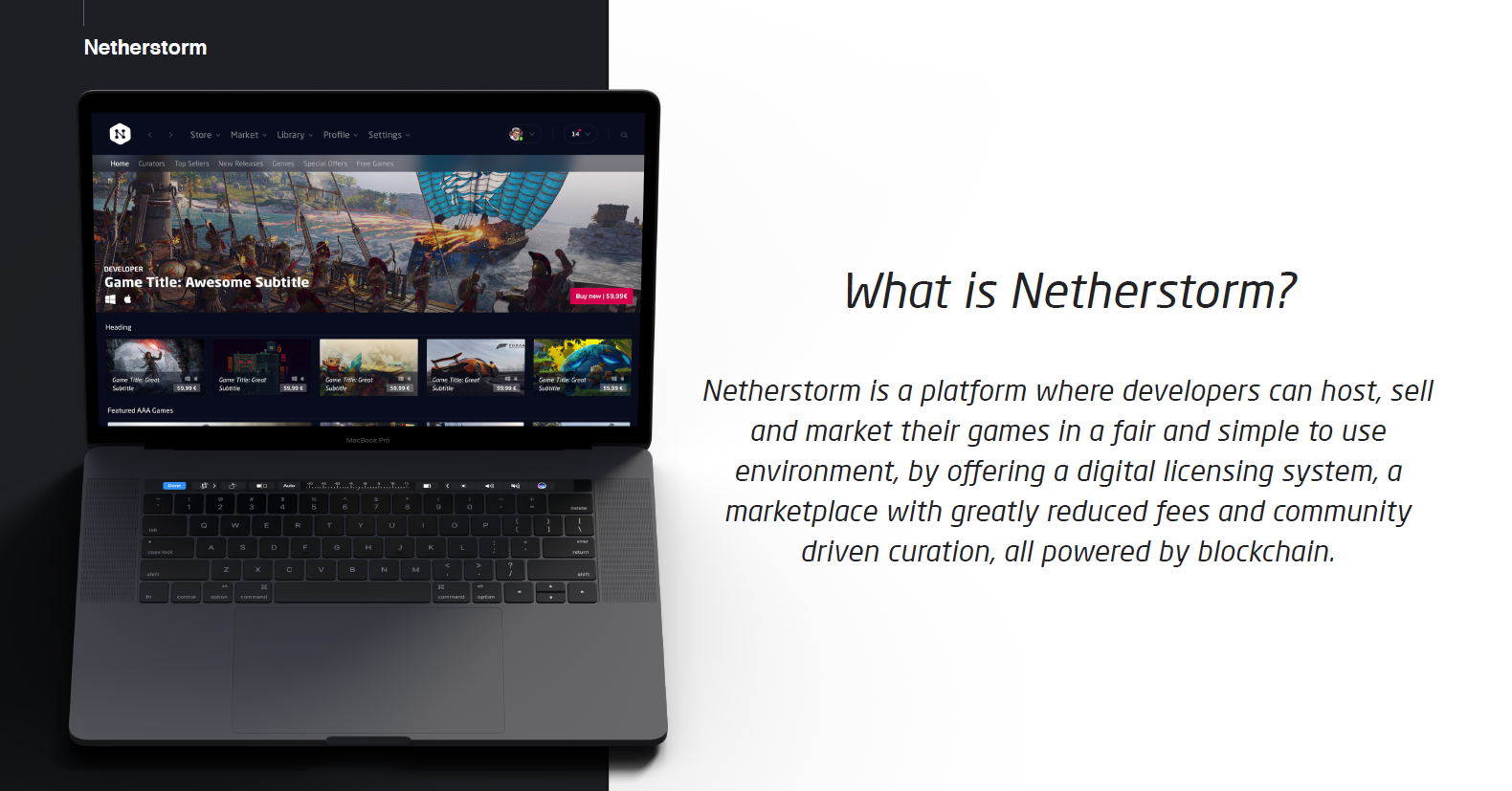
I pitched Netherstorm to ConsenSys, the largest Ethereum development company, and was accepted into their Tachyon Accelerator in San Francisco. The vision: a decentralized game distribution platform that gave developers better terms, gave players better discovery, and gave content creators a native role in the ecosystem.
Solution
Platform Architecture: Netherstorm was built as a desktop application (Electron for PC and Mac) with a web app prototype. Game files were hosted on traditional infrastructure (Amazon S3) with plans to explore IPFS for decentralized storage.
On-Chain Business Logic: The differentiator: 80% of all business logic ran on Ethereum smart contracts. Every game existed as an on-chain reference (not the files themselves — just metadata, pricing, and ownership). This meant:
- Transparent, auditable transactions
- No platform able to arbitrarily delist or modify terms
- Trustless payments directly to developer wallets
Creator Economy: The discovery problem was social: players trust streamers and friends more than algorithm recommendations. Netherstorm let influencers and players create curated game lists and earn referral cuts on any sales generated through their links — paid directly to their wallets, no intermediary.
Developers managed their storefronts through behind-the-scenes wallets, keeping the UX clean while maintaining full on-chain transparency.
Business Development: I partnered with a handful of indie developers and had reseller agreements prepared (not yet executed) with several higher-tier studios. The platform reached MVP status on Ethereum testnet, ready to deploy.
What Happened
Two external forces killed Netherstorm:
- Epic Games Store launched in December 2018 — suddenly the "Steam alternative" market had a $100M+ competitor with Fortnite-scale distribution
- Ethereum crashed in early 2019 — the broader crypto market collapse dried up funding and investor appetite for blockchain projects
We ran out of runway and couldn't raise follow-on funding in that environment. I pivoted back to Chainmonsters full-time.
What I Learned
This was my first real startup environment — three months in San Francisco, pitching to hundreds of investors worldwide. The technical product was sound, but I was the only experienced blockchain developer on the team, which limited how fast we could iterate. Market timing matters: we were six months too early for the platform war and twelve months too late for crypto enthusiasm.
The creator referral model and on-chain business logic were ahead of their time — similar mechanics appeared years later in Web3 gaming.
Team: Marco Kaul (CTO), Özkan Isik (Creative Director)